General News
All Audiences
Know the signs of polyphagous shot-hole borer
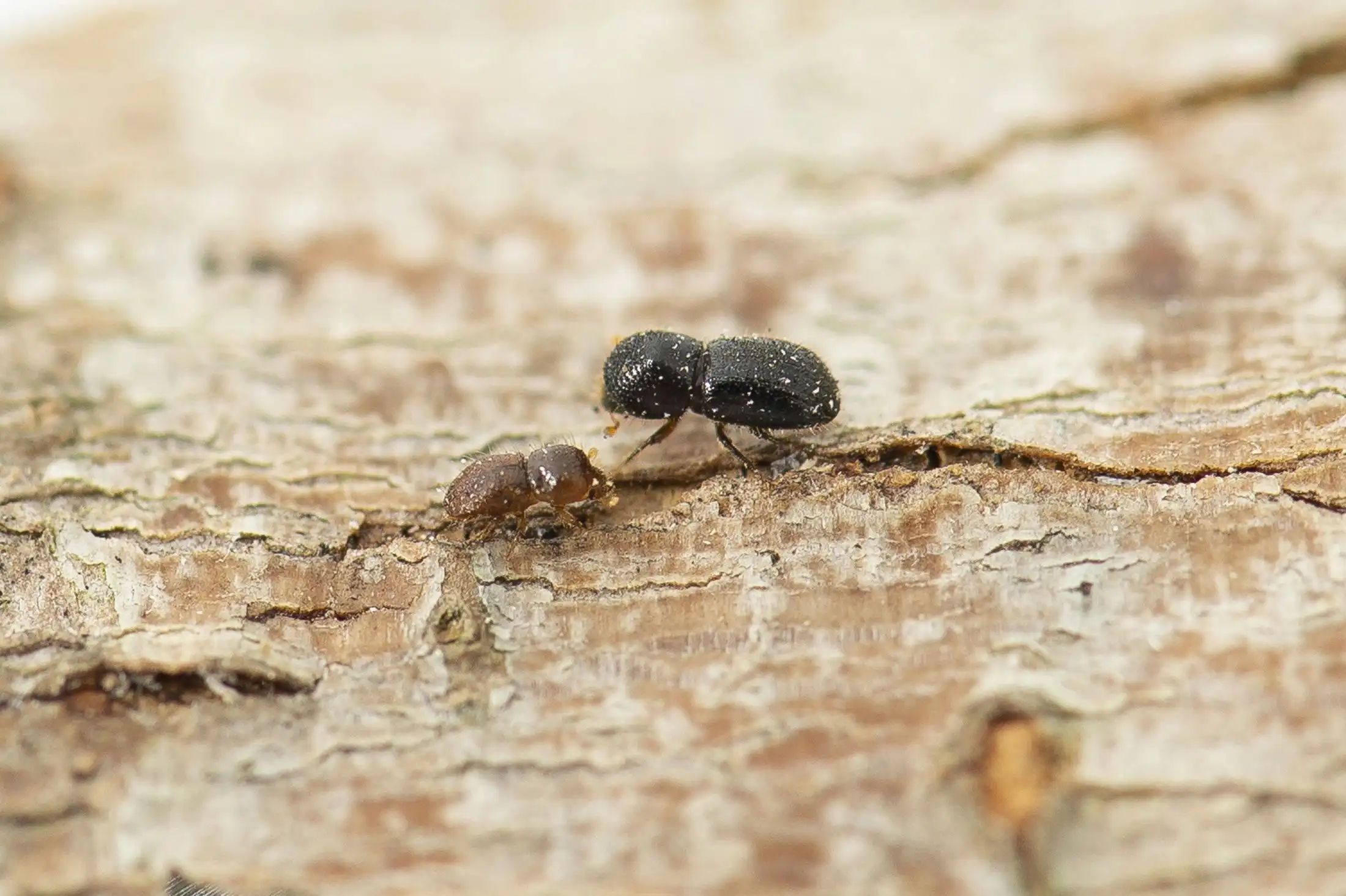
The City of Mandurah continues to urge residents to look out for the polyphagous shot-hole borer (PSHB), a highly invasive beetle that poses a threat to our local trees, urban canopy and the wildlife that depend on them.
What is PSHB?
PSHB is a tiny beetle, about the size of a sesame seed, originally from Southeast Asia. It tunnels into tree trunks, stems and branches, introducing a fungus that disrupts the tree's ability to transport water and nutrients. Over time, this can lead to dieback and, in some cases, tree death.
Preparing for long-term management
As of 1 July 2025, the national response to PSHB shifted from eradication to management after it was determined that eradication was no longer technically feasible due to:
- Difficulty detecting infestations early
- Lack of effective chemical treatments
- The scale of tree removal required
The Department of Primary Industries and Regional Development (DPIRD) is now leading an 18-month Transition to Management Plan in WA, working with local governments, industry, and the community to build long-term capability to manage the pest.
As part of this transition, the City of Mandurah is continuing to prepare for the long-term management of PSHB. This includes staff training, monitoring susceptible tree species across the City's parks and streetscapes, and staying informed of the latest research, guidance, and learnings from DPIRD and other local governments.
While PSHB has not been detected in Mandurah, early detection and community awareness remain important in helping protect our urban canopy.
Quarantine area
The quarantine zones remain in place for the Perth metropolitan area:
- Zone A: High-risk areas with active infestations and tree removals
- Zone B: Buffer zones with increased monitoring
The current quarantine area extends to the boundary between the City of Rockingham and the City of Mandurah. However, these boundaries may change as new detections are confirmed.
Although Mandurah is not currently within the quarantine area, residents must follow restrictions on moving wood, mulch, and plant materials from within quarantine zones. This includes some plant and tree deliveries, which may require permits issued by DPIRD.
For the latest quarantine zone map and guidelines on moving plant materials, visit DPIRD’s website.
What to look out for
Signs of PSHB infestation may include:
- Small, round holes in the bark
- Dark staining, wet patches, or gumming around entry holes
- White powdery residue on the trunk or branches
- Dieback in branches or across the tree canopy
Which trees are most susceptible?
PSHB is known to attack a wide range of tree species. Some of the most commonly affected species in WA include:
- Black Locust
- Box Elder Maple
- Callery Pear
- Coral Tree
- Moreton Bay Fig
- Plane Tree
- Poinciana
- Port Jackson Fig
- Weeping Willow
- White Mulberry
How to report a sighting
If you suspect a tree may be infested with PSHB:
- Take clear photos of the symptoms
- Report using the MyPestGuide Reporter app
- Alternatively, contact DPIRD's Pest and Disease Information Service:
- Phone: (08) 9368 3080
- Email: [email protected]
Stay informed
For the latest information about PSHB, quarantine areas, and management efforts, visit:
Published On
Wednesday, 30 September 2026